
1. Executive Overview & Industry Context
In today's rapidly evolving threat landscape, modern enterprises face unprecedented challenges in maintaining complete visibility and control over their digital infrastructure. As cloud environments expand and remote workflows become permanent, traditional perimeter defenses are no longer sufficient to guarantee comprehensive security resilience.
Organizations must shift from reactive posture management to proactive threat containment frameworks. Implementing robust operational processes allows security teams to detect anomalies before critical assets are compromised.
2. Key Security & Operational Challenges
- Tool Sprawl & Fragmentation: Managing disparate security tools creates siloed data streams and operational overhead.
- Alert Fatigue: Security teams are overwhelmed by high volumes of false-positive notifications.
- Compliance & Regulatory Shifts: Evolving standards such as NCA, PDPL, and ISO 27001 demand continuous auditing.
- Resource Constraints: Shortages of specialized cybersecurity talent slow down response times.
3. Strategic Recommendations & Best Practices
To address these obstacles, chief information security officers (CISOs) and IT leaders should adopt an integrated governance and response strategy:
- Consolidate monitoring dashboards into unified threat detection platforms.
- Enforce Zero Trust architecture principles across identity and endpoint vectors.
- Automate incident triage and response playbooks to reduce mitigation latency.
- Conduct regular adversary simulations and penetration tests to validate defensive postures.
Strengthen Your Enterprise Defense
Schedule a consultation with Aman's senior cybersecurity specialists today.
Related Articles

Security Monitoring Best Practices for Modern Organizations
Organizations today collect more security data than ever before - from endpoints, cloud environments, identity platforms, network traffic, and applications - yet many still struggle to identify threats before damage is done. The volume is not the problem. The problem

Unified Cybersecurity Platform: A Complete Security Solution
Modern organizations have never had more security technology available to them. They are overwhelmed by them. Endpoint detection runs on one console. Network monitoring generates alerts for others. Cloud access controls live in a third platform. Identity management reports flow
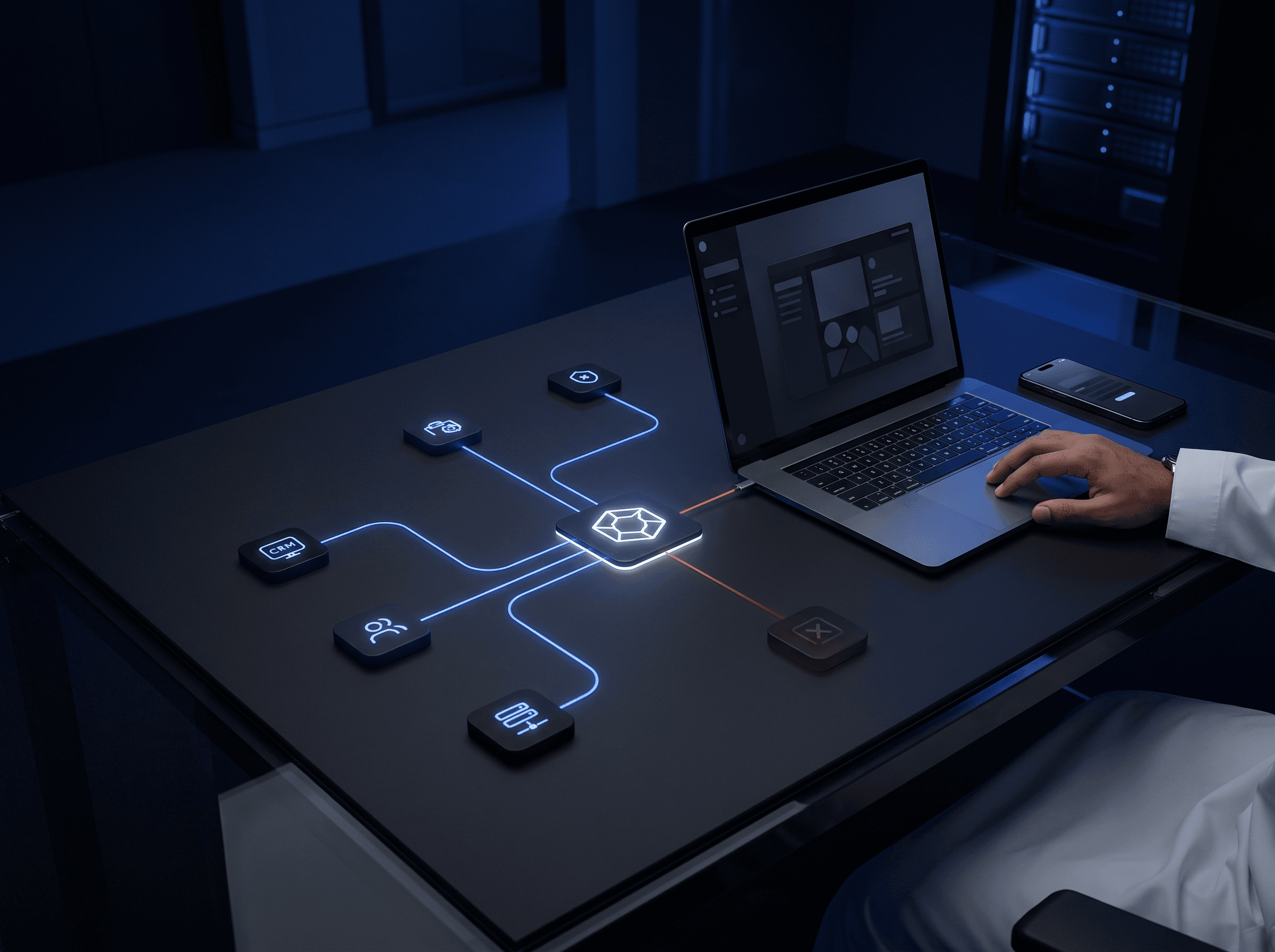
How Centralized Security Platforms Improve Cyber Visibility
Most organizations are not suffering from a shortage of security tools. They are suffering from a shortage of clarity. Alerts come from endpoint protection, network monitoring, cloud access controls, and identity platforms - each generating its own stream of data,